Are KitchenAid Stand Mixers Worth the Money?
KitchenAid stand mixers can be worth the money if you bake often, want a tilt-head design, or plan to use optional attachments. If you only mix now and then, a simpler mixer may be enough.
On this page (6 sections)
KitchenAid stand mixers can be worth the money if you bake often, want a tilt-head design, or expect to use optional attachments. If you bake only now and then, a less expensive stand mixer with the bowl size and tools you need may be enough.
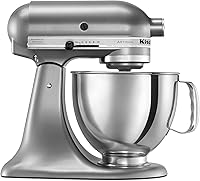
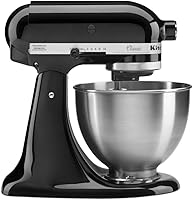
The Artisan and Classic both offer 10 speeds and a tilt-head design, but their bowls differ: 5 quarts for the Artisan and 4.5 quarts for the Classic. Other brands offer different capacities and designs, so the right choice depends on your batches, available space, and plans for extra tools.
Are KitchenAid stand mixers worth it for your kitchen?
They can be worth it if their features match how you bake. A tilt-head gives you access to the bowl, and optional hub-powered attachments can add jobs such as grinding or making pasta.
The Artisan and Classic each have 10 speeds, from stirring to whipping. The Artisan includes a pouring shield, while the Classic comes with a stainless steel bowl, coated flat beater, coated dough hook, and wire whip.
KitchenAid also describes the Artisan as available in more than 20 colors. That may matter if you want a mixer to stay on the counter, but color alone won't make it a better fit for your recipes.
If you bake mostly small batches or rarely use a mixer, think about whether the larger spend buys something you will use. Our stand mixer brands guide compares what different brands offer.
What do you get from the KitchenAid Artisan?
The Artisan is the stronger KitchenAid fit if you want a 5-quart bowl and a pouring shield. It also has 10 speeds and a tilt-head design that helps you reach the bowl when adding ingredients.
KitchenAid says the Artisan can handle up to 9 dozen cookies using the flat beater, with 28 g of dough per cookie. Treat that as the brand's batch claim, and compare it with your usual recipe size.
The mixer also works with optional hub-powered attachments, sold separately. If you want to make more use of that system, see our guide to KitchenAid attachments worth adding.
Choose the Artisan when its extra half quart over the Classic or its color selection helps justify the choice. If you don't need those differences, the Classic may cover your everyday mixing.
Is the KitchenAid Classic enough for most home baking?
The Classic may be enough if you want KitchenAid's tilt-head design with a 4.5-quart bowl. It has 10 speeds and comes with three mixing tools, so you can start with common mixing, whipping, and kneading tasks.
KitchenAid says the Classic can mix up to 8 dozen cookies in one batch, using its flat beater and 28 g of dough per cookie. Its bowl is half a quart smaller than the Artisan's, so compare that claim with your own recipe quantities.
The Classic is also compatible with optional KitchenAid attachments, which are sold separately. If you want a side-by-side look at KitchenAid's range, use our KitchenAid mixer model comparison.
What alternatives are worth comparing?
Compare another brand if you need a larger bowl, a different drive layout, or more speeds. Capacity and included tools can matter more than brand name when your recipes have specific needs.
The Bosch Universal Plus has a 6.5-quart plastic bowl, four speeds, and a bottom-drive design. Its included bundle has wire whips, a dough hook, and an extender; the maker describes it as capable of mixing large batches of bread dough.
The Cuisinart has a 5.5-quart bowl, 12 speeds, and a tilt-back head. It includes a chef's whisk, dough hook, flat paddle, and splash guard, while its optional attachments are sold separately.
The Bosch suits buyers who prioritize a larger bowl and bottom drive. The Cuisinart is worth comparing if you want a bowl between the KitchenAid options and the Bosch, with more speed settings than either KitchenAid model.
For more on the trade-offs, read KitchenAid vs Bosch. If bread is your main reason for buying, our guide to stand mixers for homemade bread focuses on dough needs.
What should you check before buying a KitchenAid mixer?
Choose based on your batch size, counter space, and interest in optional attachments. These points help you decide whether the Artisan's upgrades matter or the Classic is sufficient.
- Bowl capacity: The Artisan holds 5 quarts; the Classic holds 4.5 quarts. Match that difference to the recipes you make most.
- Access: Both KitchenAid models have tilt-head designs. Check that you have room above the mixer to tilt the head back.
- Included tools: The Classic includes a flat beater, dough hook, and wire whip. The Artisan's listed included component is the stand mixer, with a pouring shield called out as a feature.
- Attachments: KitchenAid's hub-powered attachments are optional. Confirm that the attachment you want fits the mixer and is sold separately.
- Storage and weight: Both KitchenAid models measure 14.1 in deep, 8.7 in wide, and 13.9 in high. The Classic weighs 22 lb; the Artisan is listed at 10,000 g.
If your kitchen is small, a tilt-head can still need overhead clearance. Our compact stand mixer guide can help you compare space-conscious options.
Are KitchenAid stand mixers worth it for you?
KitchenAid stand mixers are worth considering if you'll use their tilt-head design, 10 speeds, or optional attachments regularly. Pick the Artisan if its 5-quart bowl and pouring shield suit your baking, or the Classic if a 4.5-quart bowl and included tools meet your needs.
If you need a larger bowl for bread, compare the Bosch Universal Plus. If you want more speed settings and a 5.5-quart bowl, consider the Cuisinart.
Then use our KitchenAid vs Bosch comparison to weigh the closest brand choice.
Frequently asked questions
Are KitchenAid stand mixers worth it for occasional baking?
They may be, if you value the tilt-head setup, 10 speeds, or the option to add hub-powered attachments. If you bake only a few times a year and mostly make small batches, compare a basic stand mixer with the KitchenAid Classic before paying for features you may not use.
Is the KitchenAid Artisan better than the Classic?
The Artisan has a 5-quart bowl, while the Classic has a 4.5-quart bowl; both have a tilt-head design and 10 speeds. The Artisan may suit you if that extra half quart and its color range matter, while the Classic covers standard recipes with a smaller bowl.
Should I choose KitchenAid or Bosch for bread dough?
The Bosch Universal Plus has a 6.5-quart bowl and is described as handling large dough batches. KitchenAid's Artisan and Classic offer smaller bowls and tilt-head access.
Match the mixer to your typical batch size, and check the maker's instructions for your dough.
Are stand mixer attachments included with KitchenAid mixers?
The KitchenAid Classic includes a bowl, coated flat beater, coated dough hook, and wire whip. Its optional hub-powered attachments, such as pasta makers, are sold separately.
Check what comes with the specific model you choose, since included tools vary by mixer.