Breville Stand Mixer vs KitchenAid: Which Fits You? (November 2026)
Pick KitchenAid for its attachment hub and color choice; choose Breville if you want its bowl scraper design and wider head access. In a Breville stand mixer vs KitchenAid matchup, the bowl size and the way you load ingredients decide more than the badge.
On this page (8 sections)
- Breville stand mixer vs KitchenAid: the quick verdict
- How the two mixers compare side by side
- Bowl access and loading: which is easier to use?
- Speed control: does 10 speeds beat a scraper beater?
- Attachments and colors: which brand gives you more?
- Capacity and footprint: will it fit your counter?
- Who should buy which?
- The verdict: which mixer fits you?
Pick KitchenAid for its attachment hub and color choice; choose Breville if you want its bowl scraper design and wider head access. In a Breville stand mixer vs KitchenAid matchup, the bowl size and the way you load ingredients decide more than the badge.
The two brands build tilt-head mixers with 5-quart bowls and a dough hook in the box. The KitchenAid Artisan line adds 10 speeds, a pouring shield and a hub that takes over 10 optional attachments.
Breville's Bakery Chef is the model most often weighed against it. This comparison puts the two side by side on the details that change daily use: loading, speeds, bowl size, attachments and footprint.
Breville stand mixer vs KitchenAid: the quick verdict
KitchenAid wins for most home bakers because its attachment range and color options are wider. Breville is the better fit if you scrape the bowl often and want the mixer to do that work for you.
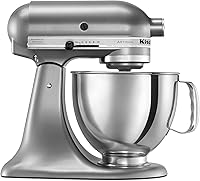
The KitchenAid Artisan we compared carries a 5-quart stainless steel bowl, 10 speeds and a tilt head. It's the model with the deepest bench of add-on parts, from meat grinders to pasta makers.
Breville's Bakery Chef uses a scraper beater that wipes the bowl as it turns. That cuts down on stopping mid-mix, which matters most for creaming butter and folding frostings.
The rest comes down to your counter. A heavier mixer stays put but is hard to move, while a lighter one is easier to lift out for each bake.


How the two mixers compare side by side
Both are tilt-head mixers with a 5-quart bowl, so the split is in the details rather than the basic shape. The table below lines up the specs that affect everyday baking.
| Feature | KitchenAid Artisan (KSM150PS) | Breville Bakery Chef |
|---|---|---|
| Bowl size | 5 quarts | 5 quarts |
| Speeds | 10 | Varies by model, typically several set speeds |
| Head type | Tilt-head, locks in place | Tilt-head |
| Bowl material | Stainless steel, dishwasher safe | Stainless steel |
| Included tools | Bowl, coated flat beater, coated dough hook, 6-wire whip, pouring shield | Bowl, scraper beater and other tools by model |
| Attachment hub | Over 10 optional hub-powered attachments | Smaller attachment range |
| Color choice | Over 20 colors | Limited finishes |
KitchenAid's numbers come straight from the Artisan spec sheet. The 10 speeds run from a stir setting for combining ingredients to a fast setting for whipping cream.
The bowl handles 9 dozen cookies in a single batch when you use the flat beater and 28 g of dough per cookie. That's a real number, not a marketing line, and it tells you the bowl is sized for serious batches.
Breville's scraper beater is the feature buyers notice most. It's also the reason some bakers pick Breville over KitchenAid even though the attachment lineup is shorter.
What the {{vs}} table leaves out
The comparison table can't show how the head feels when you lift it. Both mixers are tilt-head designs, so you raise the top to add ingredients and lock it down to mix.
KitchenAid's tilt head is a proven layout. The bowl stays put while the head swings up, which gives clear room to scrape and pour.
Breville's tilt head works the same way. The difference is the scraper beater, which keeps the bowl walls clear as the mixer runs.
Bowl access and loading: which is easier to use?
KitchenAid's tilt head gives good access for adding ingredients, and its pouring shield helps keep flour in the bowl. Breville's scraper beater reduces how often you need to stop and spatula the sides.
On the Artisan, you release the head, lift it, add ingredients and lock it back down. The 59 touchpoints around the bowl are there to keep the mixing thorough as the beater passes.
KitchenAid includes a pouring shield with both Artisan models here. That's a real help when you tip a cup of flour in at speed 1.
Breville's scraper beater is the bigger difference for batters. It wipes the bowl as it spins, so you spend less time scraping down between additions.
If you bake cakes, cookies and frostings more than bread, the scraper beater is worth weighing. If you knead dough often, the tool matters less because the hook does the work.
Loading dry and wet ingredients
Both mixers want wet ingredients in first, then dry. The tilt head makes it easy to add dry ingredients gradually.
The pouring shield on the KitchenAid helps direct flour into the bowl. It also keeps a cloud of flour from settling on your counter when you mix at speed.
Breville's bowl access is similar, but its scraper beater means less of the mix climbs the sides. That's a small daily win when you bake often.
Speed control: does 10 speeds beat a scraper beater?
KitchenAid's 10 speeds give finer control for tasks that need a gentle start or a fast finish. Breville's scraper beater saves time on tasks where the mix clings to the bowl.
The Artisan's 10 speeds run from stir to whipping. Stir combines ingredients without overworking them, while the faster settings whip cream and egg whites.
That range helps when a recipe says "mix on low until just combined" and then "whip on high." You can follow the steps without guessing at an in-between setting.
Breville's mixer has its own set of speeds. The scraper beater works across them, so the bowl stays cleaner whatever setting you use.
The trade-off is control versus cleanup. Pick KitchenAid if you want precise speed steps, and pick Breville if stopping to scrape the bowl is the chore you want gone.
Which speed range suits bread dough?
KitchenAid's coated dough hook handles yeast dough on the slower settings. The 10-speed dial lets you start slow to bring the flour together, then step up to knead.
Breville's dough hook does the same job. Its scraper beater isn't the tool for kneading, so the dough hook takes over once the dough comes together.
Neither mixer is a stand-in for a heavy-duty bread machine. Both are home-kitchen tilt-heads that handle standard loaf and pizza dough batches.
Attachments and colors: which brand gives you more?
KitchenAid's hub takes over 10 optional attachments, and its color range runs past 20 finishes. Breville's attachment lineup is smaller, though its scraper beater covers a common baking need.
The Artisan's hub powers food grinders, pasta makers and more. Those parts are sold separately, but the point is that the mixer can grow with your kitchen.
Our guide on whether KitchenAid stand mixers are worth it covers what the attachment bench adds over time. It's a fair read before you commit to a brand for the hub alone.
Color is the other lever. KitchenAid sells the Artisan in finishes from Almond Cream to Blue Velvet, so the mixer can match your cabinets or stand out on the counter.
Breville's finishes are more limited. If color matching matters, KitchenAid is the easier brand to fit into a kitchen scheme.
Adding a grinder or pasta roller later
KitchenAid's hub attachments include a meat grinder and pasta rollers. A hub-powered grinder is the kind of part that turns the mixer into a second appliance.
Breville doesn't offer the same breadth. Check the attachment hub on the exact Breville model before you plan around add-ons.
If you already own KitchenAid hub parts, buying the KitchenAid mixer keeps them useful. That's a practical reason to stay in the brand even if Breville's beater appeals.
Capacity and footprint: will it fit your counter?
Both mixers carry a 5-quart bowl, so capacity isn't the deciding factor. The difference is the cabinet and counter space each one needs.
The Artisan measures 9.3 in deep, 14.3 in wide and 14 in high. It weighs 11 kg, which is heavy enough that most people will leave it in place rather than lift it out for each bake.
The Blue Velvet model is listed at 22.8 lb. The two figures aren't quite the same weight, so expect the Blue Velvet Artisan to feel a touch lighter or heavier than the Almond Cream one depending on which listing you trust.
Both are solid machines you'll want a permanent spot for.
Breville's Bakery Chef is a countertop tilt-head too. Check its footprint against your cabinet overhang and the space you need to lift the head.
A tilt head needs clear room above it. If your upper cabinets sit low, measure the lift height before you buy either mixer.
Where to put a tilt-head mixer
Plan a spot with clearance above the head. You also want room in front of the bowl for adding ingredients and room beside it for the bowl to sit when you lift it off.
The Artisan's bowl has a handle, which helps when you carry a full batch to the counter or the sink. The bowl is dishwasher safe, so cleanup is simple.
Keep the mixer away from the edge of the counter. The weight helps it stay put, but a heavy mixer near the edge is a tip risk during kneading.
Who should buy which?
Buy KitchenAid if you want attachments, colors and fine speed steps; buy Breville if you want a scraper beater and simpler mixing. The right pick follows your baking habits, not the badge.
The Artisan is the stronger all-rounder for most kitchens. Its 5-quart bowl, 10 speeds and wide attachment range make it a mixer you can use for years without outgrowing it.
Breville suits bakers who make a lot of cakes, cookies and frostings. The scraper beater keeps the bowl walls clean, which saves a step on every batch.
Choose KitchenAid Artisan if you want room to grow
Pick the Almond Cream Artisan for a classic finish. Pick the Blue Velvet model if you want the same mixer in a bolder color; the bowl, speeds and tools are the same.
The Almond Cream model is the one we'd choose for most people because the finish is neutral and easy to live with. It comes with the bowl, flat beater, dough hook, whip and pouring shield.
If you want to add a grinder or pasta roller, this is the brand with the parts. You can also read how KitchenAid vs Bosch mixer compares before you commit.
Choose Breville if you scrape the bowl a lot
Breville's scraper beater is the reason to pick it. Creaming butter, mixing cake batter and folding frosting all go faster when the beater wipes the bowl as it turns.
Skip Breville if you plan to build a collection of hub attachments. Its range is smaller, and the mixer is best bought for the tools in the box.
If you want to compare another tilt-head option first, our Smeg vs KitchenAid mixer post covers a style-led rival. It helps if color and looks are part of your decision.
The verdict: which mixer fits you?
KitchenAid wins this Breville stand mixer vs KitchenAid comparison for most readers. Its 10 speeds, 5-quart bowl and attachment hub give you more ways to use the mixer over time.
Choose the Artisan in Almond Cream for a neutral finish and the full tool set. Choose the Blue Velvet model if the color matters more and you're happy with the same specs.
Pick Breville instead when the scraper beater is the feature you want. It's a real time-saver for batters and frostings, and it suits bakers who scrape the bowl on every batch.
Either way, measure your counter space and the head clearance first. A mixer that fits your kitchen gets used; one that crowds the counter tends to sit.
Frequently asked questions
Is Breville a good stand mixer brand?
Breville makes the Bakery Chef stand mixer, a tilt-head design with a 5-quart bowl and a built-in scraper beater. It's a solid choice for home bakers who want bowl scraping without stopping to spatula the sides, though its attachment range is smaller than KitchenAid's.
Can you use KitchenAid attachments on a Breville mixer?
No. KitchenAid hub attachments are built for the KitchenAid attachment hub, and Breville mixers use their own fitting.
If you plan to add a grinder, pasta roller or spiralizer later, pick the brand whose attachment line you actually want.
Which mixer handles bread dough better, Breville or KitchenAid?
Both are tilt-head machines with dough hooks, so both can knead yeast dough. KitchenAid's Artisan ships with a coated dough hook and 10 speeds, which gives you finer control when you move from mixing to kneading.
Breville's scraper beater helps more with batters and frostings.
How many cookies can a 5-quart KitchenAid Artisan mix at once?
KitchenAid says the 5-quart bowl holds enough for 9 dozen cookies in a single batch when you use the flat beater and 28 g of dough per cookie. That's a big batch, so it suits holiday baking or a large household better than a quick dozen.
Do you need a pouring shield with either mixer?
KitchenAid includes a pouring shield with the Artisan models here, which helps keep flour in the bowl when you add dry ingredients. If you use a Breville, its scraper beater does some of that work, but a shield is still handy for messy additions.