How to Clean a KitchenAid Mixer, Bowl to Beaters
Unplug the mixer, wash removable parts as their care instructions allow, and wipe the body with a damp cloth. Keep water away from the motor housing and dry every part before storing.
On this page (9 sections)
- How do you clean a KitchenAid mixer step by step?
- Can you wash a KitchenAid mixer bowl in the dishwasher?
- How do you clean KitchenAid beaters and dough hooks?
- How should you clean a Flex Edge Beater?
- How do you clean the mixer body and attachment hub?
- How do you clean under a tilt head?
- What should you avoid when cleaning a KitchenAid mixer?
- How can you keep your mixer cleaner between uses?
- Which cleaning approach fits your KitchenAid mixer?
To clean a KitchenAid mixer, unplug it, wash the removable bowl and attachments according to their care instructions, and wipe the mixer body with a damp cloth. Keep water away from the motor housing, and dry everything before storing.
Cleaning soon after mixing makes the job easier. Batter and dough can cling around the beater, bowl rim, attachment hub, and the underside of the mixer head.
How do you clean a KitchenAid mixer step by step?
Unplug the mixer, remove the bowl and attachment, wash those parts as directed, and wipe the body with a damp cloth. Dry each part before reassembling or putting it away.
- Switch off the mixer and unplug it.
- Remove the attachment and bowl.
- Wash the bowl and attachment according to their care instructions.
- Wipe loose flour and crumbs from the mixer with a dry cloth.
- Wipe splashes and sticky spots with a soft, damp cloth.
- Dry the mixer, bowl, and attachment fully.
Don't spray cleaner onto the mixer or let water run into seams and openings. A small amount of mild dish soap on a damp cloth is usually enough for exterior splashes; follow the care guide for your model if it gives different instructions.
If you want a refresher on the parts and their roles, see how to use a stand mixer. It explains how the bowl, beater, dough hook, and wire whip fit into common mixing jobs.
Can you wash a KitchenAid mixer bowl in the dishwasher?
Check the care instructions for your exact bowl before using a dishwasher. Some KitchenAid bowls are dishwasher safe, but bowls can vary by model and material.
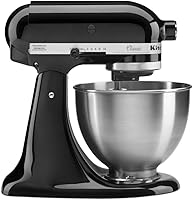
The Classic K45SS comes with a 4.5-quart stainless steel bowl described as dishwasher safe. If your bowl is stainless steel, check its model-specific guidance; don't assume that care advice applies to a coated or specialty bowl.
For hand washing, use warm water, dish soap, and a soft sponge. Rinse away soap, then dry the bowl so water spots and residue don't remain.
This Classic mixer includes a coated flat beater, coated dough hook, and wire whip. Check the care instructions for each attachment before loading it into the dishwasher.
How do you clean KitchenAid beaters and dough hooks?
Remove batter or dough promptly, then wash each attachment according to its care instructions. A soft sponge helps loosen residue without scraping the finish.
For dried batter, let the attachment soak in warm, soapy water if its instructions allow. Wipe softened residue away, rinse, and dry it thoroughly.
Don't use knives, steel wool, or abrasive scouring pads. These can scratch coated surfaces, and residue trapped in a scratch can be harder to remove next time.
The KitchenAid Stainless 3-Piece Tilt-Head Accessory Set includes a dough hook, flat beater, and wire whip for compatible 4.5- and 5-quart tilt-head mixers. The set is described as dishwasher safe, so it can suit readers who want those three attachments in stainless steel.
Match the attachment to the job before washing: the flat beater handles general mixing, the dough hook kneads, and the wire whip adds air. Our guide to KitchenAid attachments covers what each tool is for.
How should you clean a Flex Edge Beater?
Wash the Flex Edge Beater according to its care instructions, which describe it as dishwasher safe. Its flexible edge is designed to scrape ingredients from the bowl during mixing.
The KFE5T fits select KitchenAid 4.5- and 5-quart tilt-head mixers. Check your mixer model against the listed compatible models before choosing this beater.
If you wash it by hand, use a soft sponge around the flexible edge and rinse away any soap. Let it dry fully before storing it with the other attachments.
How do you clean the mixer body and attachment hub?
Wipe the exterior with a soft, damp cloth while the mixer is unplugged. Use a dry cloth afterward, and keep moisture out of the motor housing, controls, and openings.
Flour often settles around the attachment hub and where the head meets the body. Brush or wipe away dry crumbs first, then use a lightly damp cloth for sticky residue.
Don't immerse the mixer body, run water over it, or spray cleaner directly onto it. If the mixer has stubborn residue or a care question about a specific surface, use the manual for that model.
How do you clean under a tilt head?
Unplug the mixer, tilt the head only as the model allows, and wipe accessible surfaces with a damp cloth. Keep water away from the hinge and any openings.
Lift away loose flour or crumbs with a dry cloth before wiping. This keeps dry particles from turning into paste and spreading across the surface.
Lower and lock the head as instructed when you're done. For help choosing between tilt-head sizes, compare KitchenAid Artisan and Artisan Mini.
What should you avoid when cleaning a KitchenAid mixer?
Keep the motor housing dry, and avoid tools or cleaners that could scratch the finish. Unplug the mixer before cleaning, and let removable parts cool if they were used with warm ingredients.
Avoid:
- Submerging the mixer body or running it under a tap.
- Spraying cleaner or water into openings.
- Scraping attachments with knives or metal utensils.
- Using abrasive pads on coated or delicate surfaces.
- Reattaching wet parts or storing them while damp.
If you notice damage to a cord, plug, or attachment, stop using the mixer until you can follow KitchenAid's guidance. The manufacturer's mixer care and cleaning instructions are a good place to check model-specific directions.
How can you keep your mixer cleaner between uses?
Scrape the bowl promptly and wipe flour or splashes before they dry. A quick cleanup after mixing can reduce the need to soak attachments later.
Use a spatula to move batter from the bowl, then remove the attachment before cleaning. For mashed potatoes, wipe the bowl and beater soon after serving; see how to make mashed potatoes with a mixer for the mixing method.
After whipping cream, rinse the whisk promptly if its care instructions allow. Our whipped cream guide explains when to use the wire whip.
Which cleaning approach fits your KitchenAid mixer?
For everyday cleanup, wash removable parts according to their care instructions and wipe the body with a damp cloth. Choose a dishwasher-safe attachment or bowl only when its model-specific directions confirm that care method.
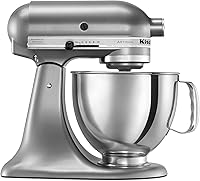
The Classic K45SS has a dishwasher-safe stainless steel bowl. The KFE5T Flex Edge Beater and the stainless three-piece accessory set are also described as dishwasher safe, while the Artisan KSM150PS offers a 5-quart bowl and 10 speed settings.
Choose the care method your mixer and attachments allow, and dry parts before storing them. If you’re learning the mixer’s controls too, start with how to use a stand mixer.
Frequently asked questions
Can KitchenAid mixer attachments go in the dishwasher?
It depends on the attachment. The Classic K45SS includes a dishwasher-safe stainless steel bowl, while the Flex Edge Beater and stainless accessory set are described as dishwasher-safe.
Check the care instructions for your specific bowl and attachments, since finishes and materials can differ.
How do I clean the KitchenAid mixer head?
Unplug the mixer, then wipe the head with a soft, damp cloth and dry it. Use a lightly damp cloth around the attachment hub and seams, taking care not to let water enter openings.
Avoid immersing the motor housing or spraying cleaner directly onto the mixer.
How do I remove dried batter from a mixer beater?
Soak the beater in warm, soapy water if its care instructions allow, then wipe away softened batter with a soft sponge. Avoid metal tools and abrasive pads that can scratch a finish.
Dry the beater before putting it away.
How often should I clean a KitchenAid mixer?
Clean the bowl and attachment after each use, and wipe the mixer body whenever you see splashes or flour. Fresh residue is easier to remove than dried batter.
Before storing, check the attachment hub and the area around the bowl for crumbs or sticky spots.