How to Make Whipped Cream in a Stand Mixer
To make whipped cream in a stand mixer, chill the bowl and wire whisk, then beat cold heavy cream on medium-high until it forms soft or firm peaks. Stop as soon as it reaches the texture you want.
On this page (9 sections)
- What do you need to make whipped cream in a stand mixer?
- How do you make whipped cream in a stand mixer?
- What speed should you use for whipping cream?
- Which whisk attachment works best?
- How much cream should you add to the bowl?
- Why is the cream not thickening?
- How do you avoid overwhipping cream?
- How should you clean the whisk and bowl?
- What is the easiest way to get fluffy whipped cream?
To make whipped cream in a stand mixer, chill the bowl and wire whisk, then beat cold heavy cream until it forms soft or firm peaks. Stop as soon as it reaches the texture you want, since a few extra seconds can take it past fluffy cream.
Use a wire whisk attachment and keep the mixer nearby as the cream thickens. The process can move quickly near the end, so watch the cream instead of relying on a set time.
What do you need to make whipped cream in a stand mixer?
You need cold heavy cream, a chilled mixing bowl, and a wire whisk attachment. A little powdered sugar or vanilla is optional, depending on how you plan to serve it.
Heavy cream whips because the whisk adds air as it moves through the liquid. Cold cream and cold equipment help it thicken; warm ingredients can take longer to whip.
Chill the bowl and whisk in the refrigerator before you start. A short chill is usually enough to make them cold, but avoid putting equipment in the freezer unless its care instructions allow it.
A stand mixer with a whisk saves you from holding a hand mixer or whisk. If you are learning the attachments, our guide to how to use a stand mixer explains the common tools and their jobs.
How do you make whipped cream in a stand mixer?
Pour cold heavy cream into the chilled bowl and beat it with the wire whisk, increasing speed as it thickens. Stop at soft peaks for a loose topping or firm peaks for piping and spreading.
- Chill the bowl and wire whisk.
- Pour in cold heavy cream, leaving plenty of room for it to expand.
- Start at a low speed to limit splashing.
- Raise the speed to medium-high as the cream begins to thicken.
- Stop when the whisk leaves trails and the cream holds the peaks you want.
Add sugar or vanilla after the cream begins to thicken, if using them. Start with a small amount and taste before adding more.
Stay by the mixer during the final stage. Cream can change from soft peaks to stiff peaks, then become grainy if it keeps beating.
How do you know when whipped cream is ready?
Soft peaks bend over when you lift the whisk, while firm peaks hold their shape. Stop at the stage that suits the dish.
Soft peaks work well as a spoonable topping for fruit, cocoa, or pie. Firm peaks hold their shape better for piping or spreading on a cake.
If the cream looks dull, clumpy, or separated, it may be overwhipped. Stop the mixer right away; don't keep beating in the hope that it will smooth itself out.
What speed should you use for whipping cream?
Start at low speed, then move to medium-high after the cream begins to thicken. A slower start helps limit splashes, while closer attention at higher speeds helps you catch the right texture.
Mixer speed labels vary by model, so follow the manual if it gives a specific setting for whipping. KitchenAid says its Classic mixer can whip cream at speed 8, but the cream still needs watching as it thickens.
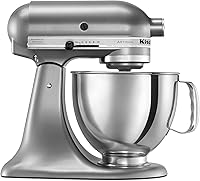
A tilt-head model can make it easier to reach the bowl when adding ingredients or changing attachments. The KitchenAid Artisan 5-Qt Tilt-Head KSM150PS has a tilt-head design and 10 speed settings.
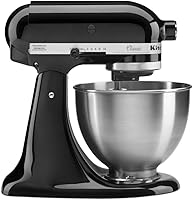
If you want a smaller KitchenAid bowl, the KitchenAid Classic 4.5-Qt K45SS includes a 6-wire whip and has 10 speeds, including a speed the brand recommends for whipping cream.
Use your mixer’s manual for attachment fit and speed guidance. The KitchenAid attachment guide can help you compare common tools and their uses.
Which whisk attachment works best?
Use the wire whisk made for your stand mixer model. Its wires beat air into the cream, helping it become light and fluffy.
The KitchenAid K45WW Wire Whip fits select tilt-head models, including the K45SS and KSM150PS. Check your mixer’s model number before buying, since attachments do not fit every machine.
The K45WW is handwash only. Follow its care instructions after whipping cream so the attachment is ready for your next batch.
The Hamilton Beach 4-Qt 7-Speed includes a whisk, along with a 4-quart bowl, splash guard, dough hook, and flat beater.
Check that the whisk is attached securely before adding ingredients. If it seems to hit the bowl or doesn't lock in place, stop and check the manual instead of running the mixer.
How much cream should you add to the bowl?
Add enough cream to cover the whisk wires, but leave room for the cream to expand as air is beaten in. For a large batch, check your mixer’s manual for its bowl capacity and recommended limits.
A deep bowl helps keep splashes contained during the low-speed start. A splash guard can also help, but it doesn't replace starting slowly or checking the cream as it thickens.
If you are whipping a small amount, make sure the whisk can reach the cream. A shallow layer may not meet the wires evenly, so a smaller bowl or a hand whisk may work better.
Why is the cream not thickening?
Cream may stay thin if it is warm, if the whisk isn't reaching it, or if the attachment isn't designed to whip. Chill the cream and equipment, check the whisk fit, and give the mixer more time while watching closely.
Check that you used heavy cream rather than a lower-fat milk. Cream with less fat may not whip in the same way.
If the bowl is warm, pause and chill it before continuing. Check that the whisk turns freely and reaches into the cream without scraping the bowl.
How do you avoid overwhipping cream?
Watch for trails and peaks, then stop the mixer as soon as the cream holds the shape you want. Don't walk away during the final stage.
If the cream is slightly grainy, stop and gently fold in a small splash of cold cream. This may help bring the texture back together, but severely separated cream may not return to a smooth whipped texture.
If you keep beating after the cream separates, it can turn into butter. When that happens, save it for a use that suits butter rather than trying to serve it as whipped cream.
How should you clean the whisk and bowl?
Rinse the bowl and whisk soon after use, before cream dries onto the wires. Wash each part according to the care instructions for your mixer and attachment.
The KitchenAid K45WW is handwash only. Check whether your bowl and whisk are dishwasher-safe before putting them in the dishwasher.
For a full cleaning routine, see how to clean a KitchenAid mixer. If you use the mixer for other sides and toppings, how to make mashed potatoes with a mixer covers a different bowl-and-beater job.
What is the easiest way to get fluffy whipped cream?
For fluffy whipped cream, keep the ingredients cold, use a wire whisk, and stop at the peak stage you need. Soft peaks suit spooning, while firm peaks are easier to pipe.
Choose a mixer with a whisk included if you want to start whipping right away. If you already own a compatible KitchenAid tilt-head mixer, the K45WW is an option for replacing or adding a wire whip.
For speed and attachment basics, revisit how to use a stand mixer. The simple rule is to stay nearby and stop as soon as the cream holds its shape.
Frequently asked questions
How long does it take to whip cream in a stand mixer?
It often takes a few minutes, but the time depends on the cream's temperature, amount, mixer, and speed. Watch the whisk closely as the cream thickens, then stop at soft peaks for a spoonable topping or firm peaks for piping.
Don't rely on a fixed time.
What speed should I use to whip cream in a stand mixer?
Start on a low speed to reduce splashing, then raise the mixer to medium-high once the cream begins to thicken. Check your mixer manual for its speed guidance.
A higher speed can move the process along, so stay nearby and stop as soon as the cream reaches the texture you want.
Can I make whipped cream with a stand mixer flat beater?
A wire whisk is the better choice because it incorporates air into the cream. A flat beater isn't designed to whip in as much air, so the cream may take longer or stay less fluffy.
Use the whisk made for your mixer model and check that it fits before starting.
Why did my whipped cream turn grainy?
Cream can turn grainy when it's beaten past the stage you wanted and begins separating. Stop the mixer as soon as soft or firm peaks form, depending on how you plan to use it.
If it has only just become slightly grainy, gently fold in a little cold cream and check the texture.